The Science of Scent
Journal
A place for research, observations and conversations about scent, space and human experience.
01●Articles
Research, perspectives and practical questions for people designing places that need to be felt as well as seen.
12 June 2026 · 7 min read
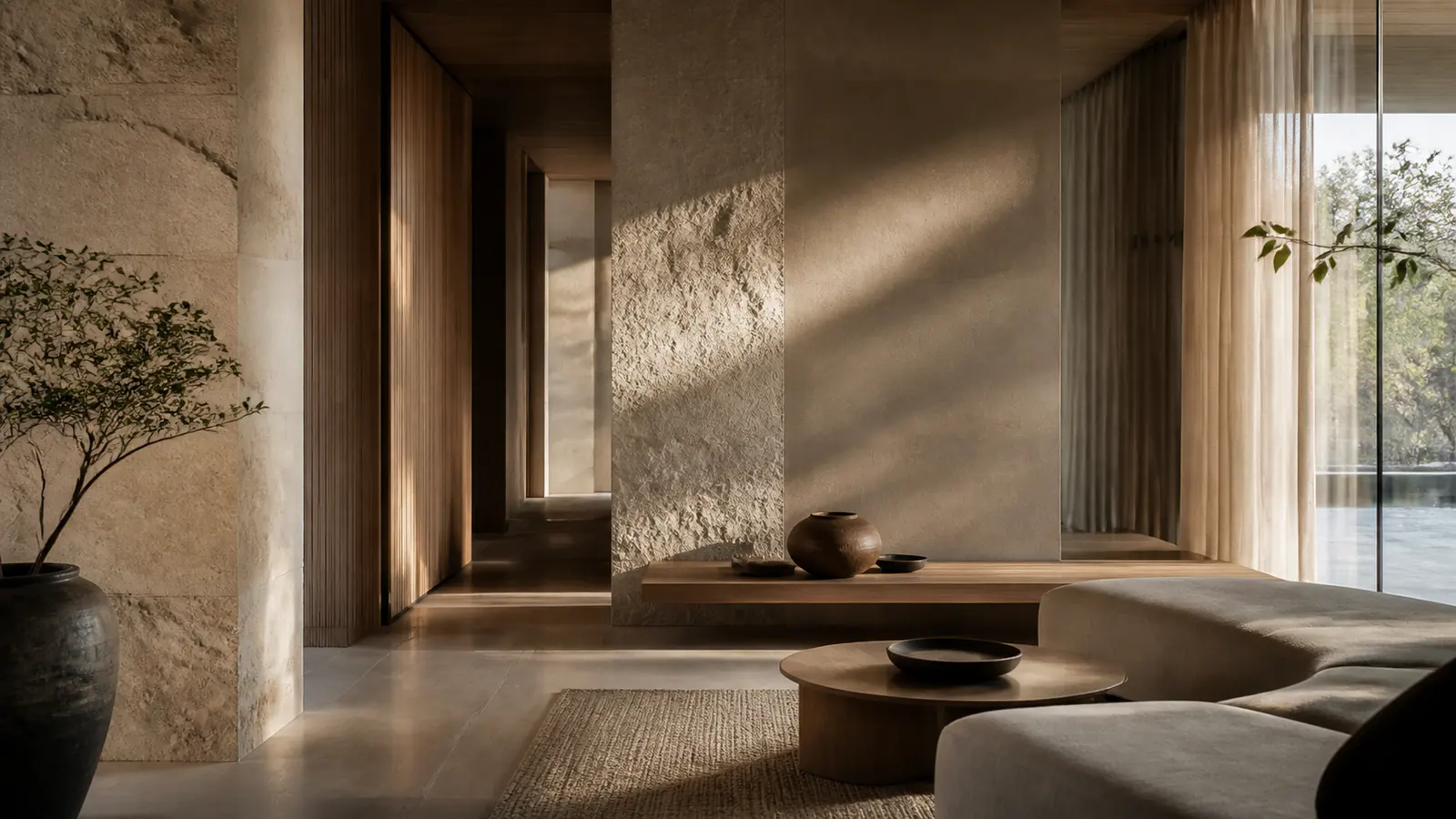
Why the spaces we inhabit are read by the whole body, not sight and sound alone.
26 June 2026 · 7 min read
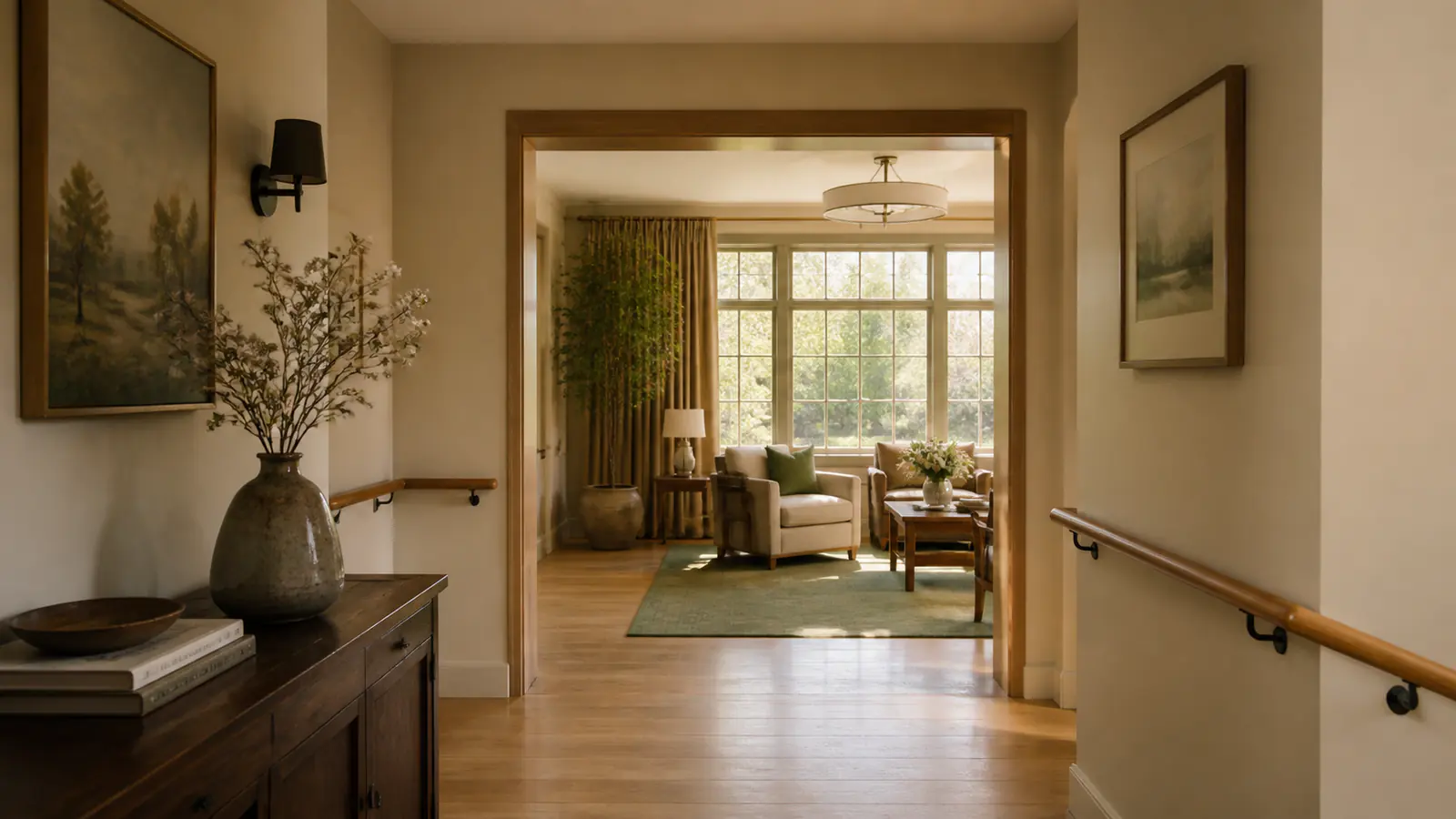
How scent can support familiarity and orientation in care, without overclaiming what it can do.
10 July 2026 · 5 min read
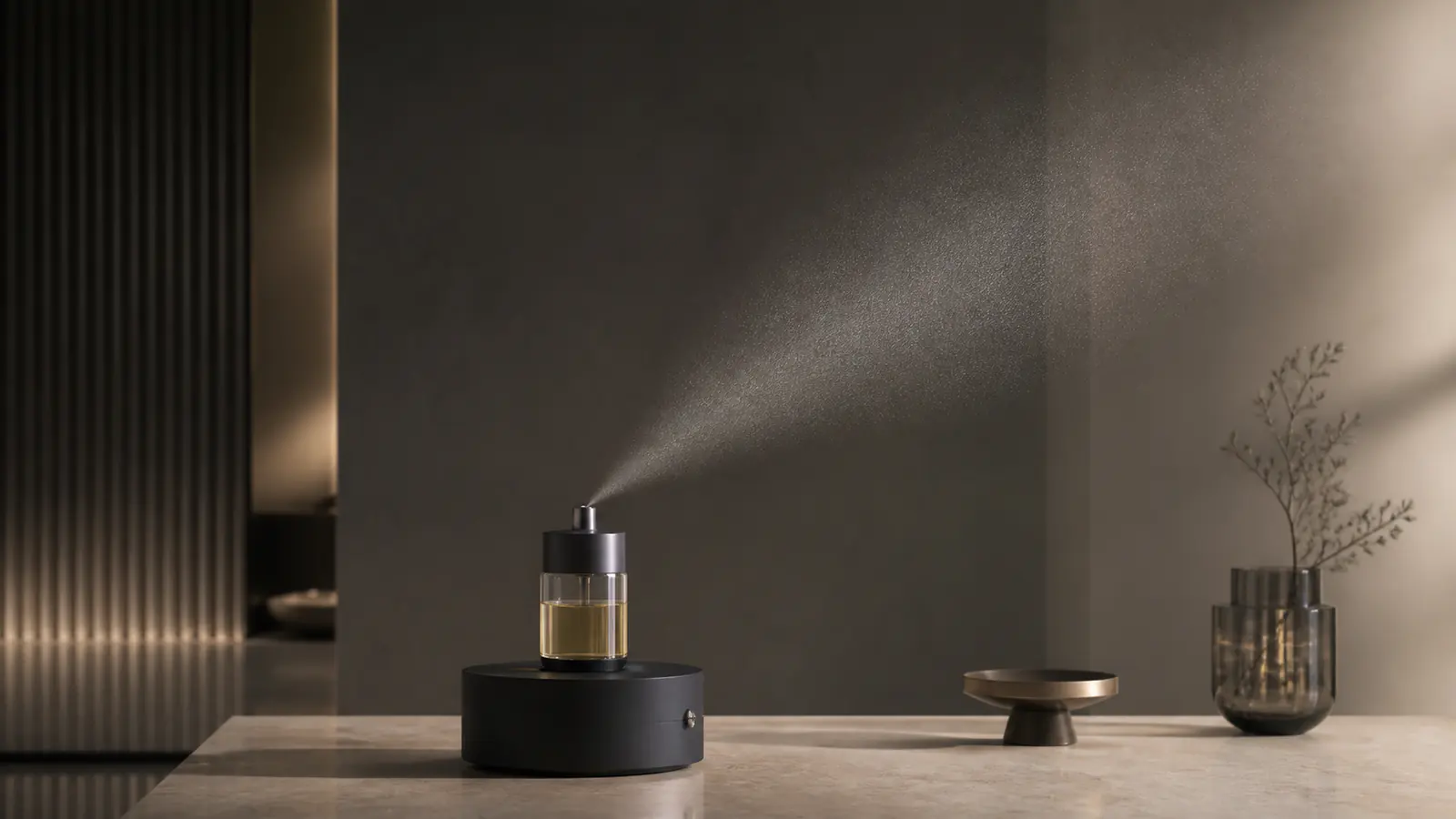
A clear look at the technology that turns pure fragrance oil into a dry, controllable atmosphere.
24 July 2026 · 6 min read
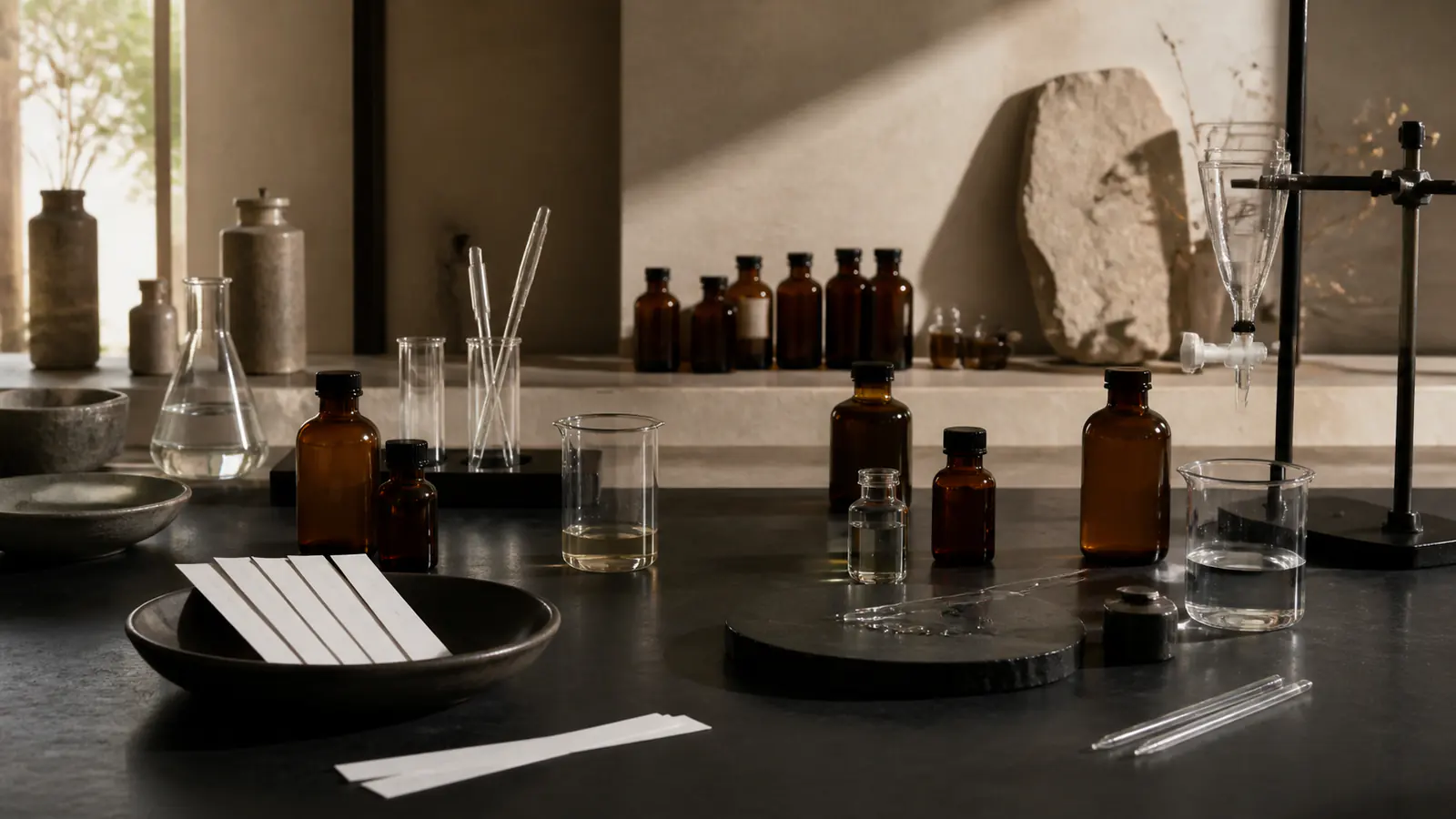
Why standards, dosage and context matter long before a fragrance reaches a finished space.
7 August 2026 · 6 min read
What a restrained aromatic brief can teach us about calm, focus and sensory load.
21 August 2026 · 7 min read
How scent can sit within a wider sensory strategy for schools and SEND environments.
02●The Science
Scent has an unusually direct relationship with memory, emotion and perception. Understanding that science helps us design experiences with intention rather than assumption.