Skip to content

The Science of Scent

Hospitality

Make arrival mean something.

Hospitality is remembered in moments: the first breath inside, the calm of a room, the return to a place that feels unmistakably itself. Scent can help connect those moments – when it begins with the experience, not the fragrance.

01Start

Guests notice more than you show them.

The lighting, the welcome, the sound of the room, the feel of the materials. Hospitality is already a sensory experience. Scent belongs in that conversation because it is present whether it has been designed or not.

The opportunity is not to make every room smell the same. It is to decide where scent should be noticed, where it should simply be felt and what each moment should contribute to the stay.

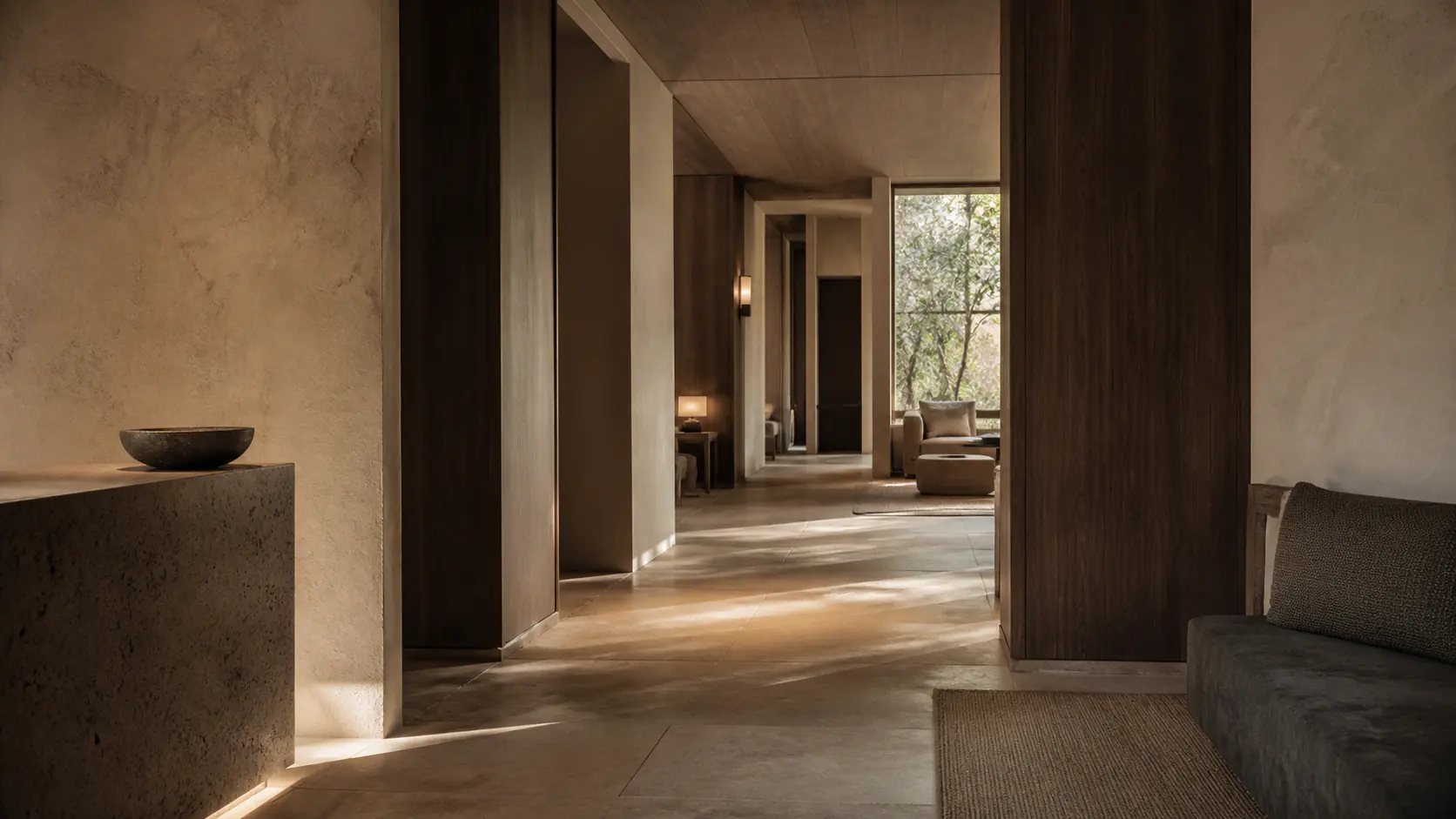
Hospitality internal arrival

Arrival is a moment. So is transition, rest and return.

02Journey

The moments that matter are not all the same.

A guest moves through a sequence of spaces, each with a different job to do. The scent experience should understand that rhythm.

01

Arrival

The first moments establish pace, confidence and a sense of where you are.

02

Transition

Lobby to lift. Corridor to room. Treatment to rest. Each change can feel deliberate.

03

Stay

Support the mood without competing with food, materials, people or the purpose of the room.

04

Return

Recognition can begin before the guest has consciously named what feels familiar.

03Moments

Not a fragrance for every room. A role for every moment.

Good sensory design does not always ask to be noticed. Sometimes it simply makes the experience feel more coherent, more reassuring or more distinctly yours.

01

Identity

Give the physical experience another recognisable layer.

02

Reassurance

Support calm, care and a considered sense of welcome.

03

Rhythm

Help different zones and moments feel connected without becoming uniform.

04

Memory

Create a sensory cue that can travel beyond the stay.

04Spaces

Hospitality is more than the lobby.

The thinking can flex across very different places, as long as the intention remains clear and the scent responds to the environment around it.

Hospitality hotels resorts

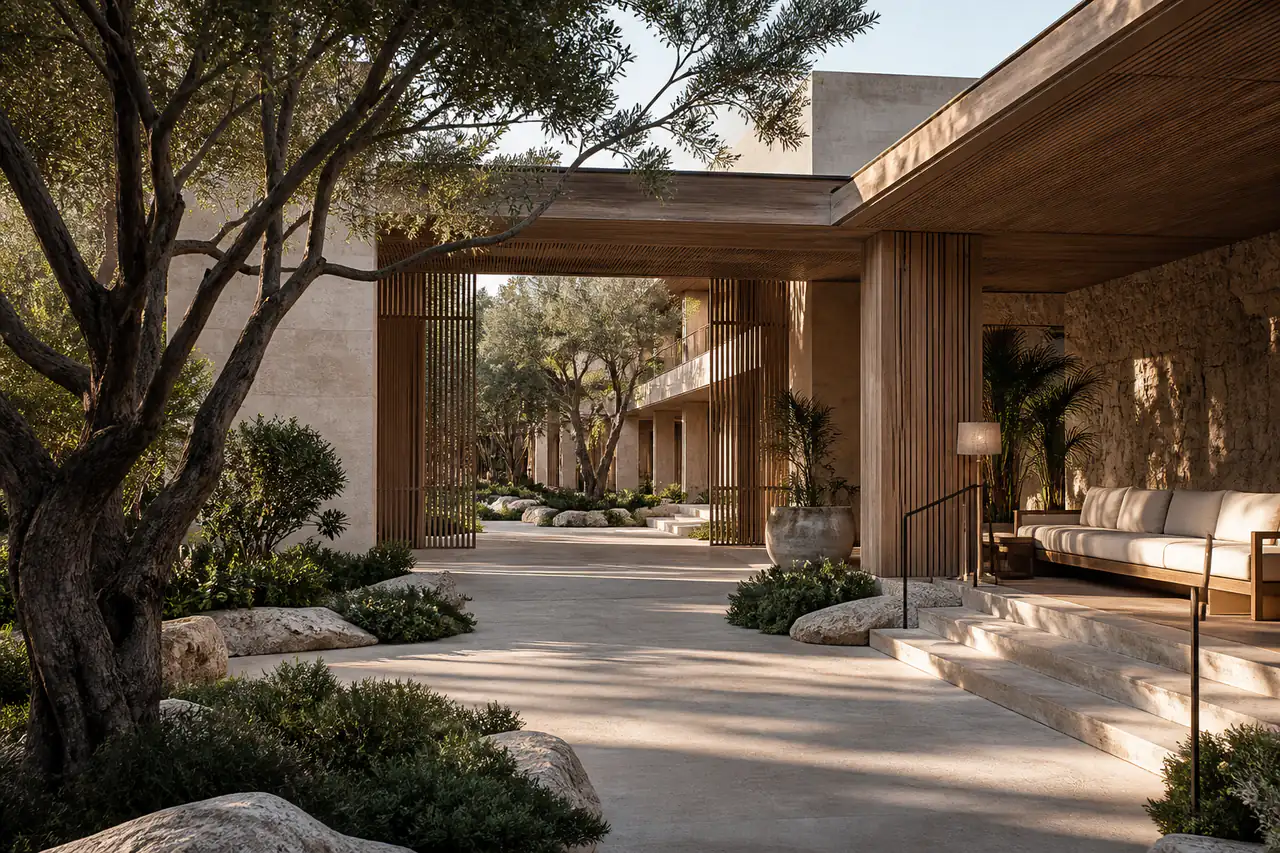
Hotels + resorts

Arrival, rooms, shared spaces and the memory of the stay.

Hospitality spa wellness

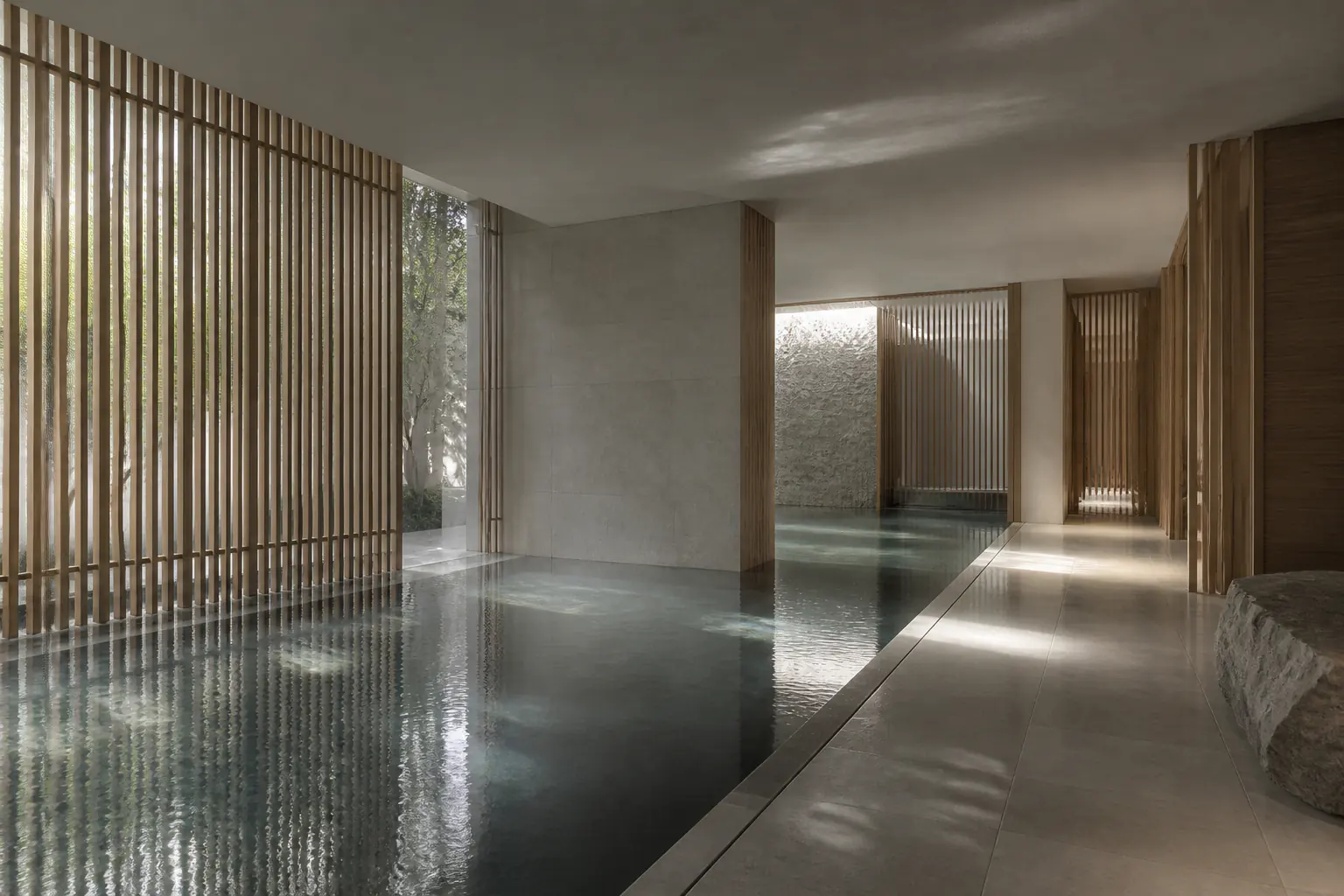
Spa + wellness

Transition, calm and a sensory environment that supports care.

Hospitality restaurants bars

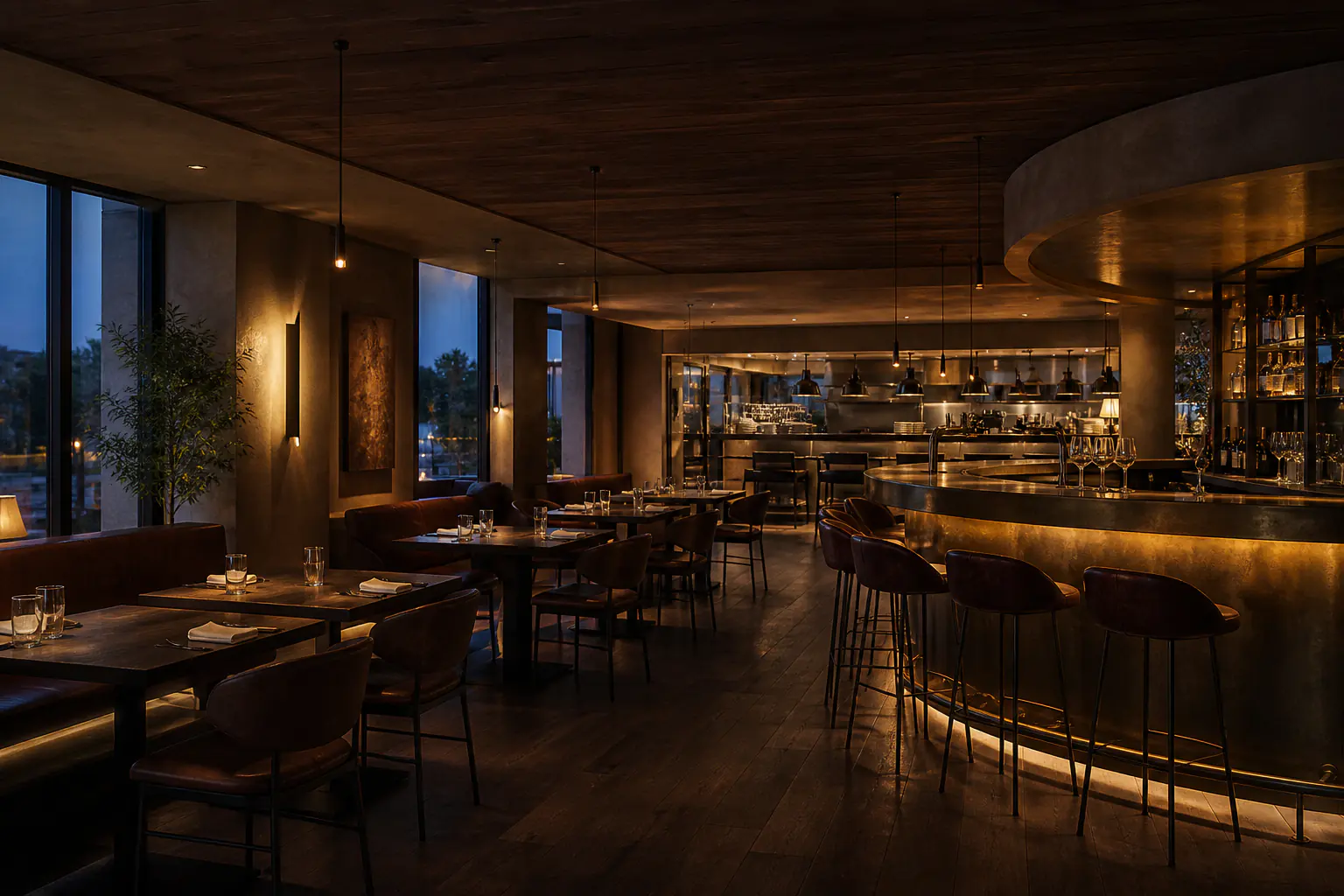
Restaurants + bars

Identity and atmosphere without competing with food and drink.

Hospitality clubs boutique

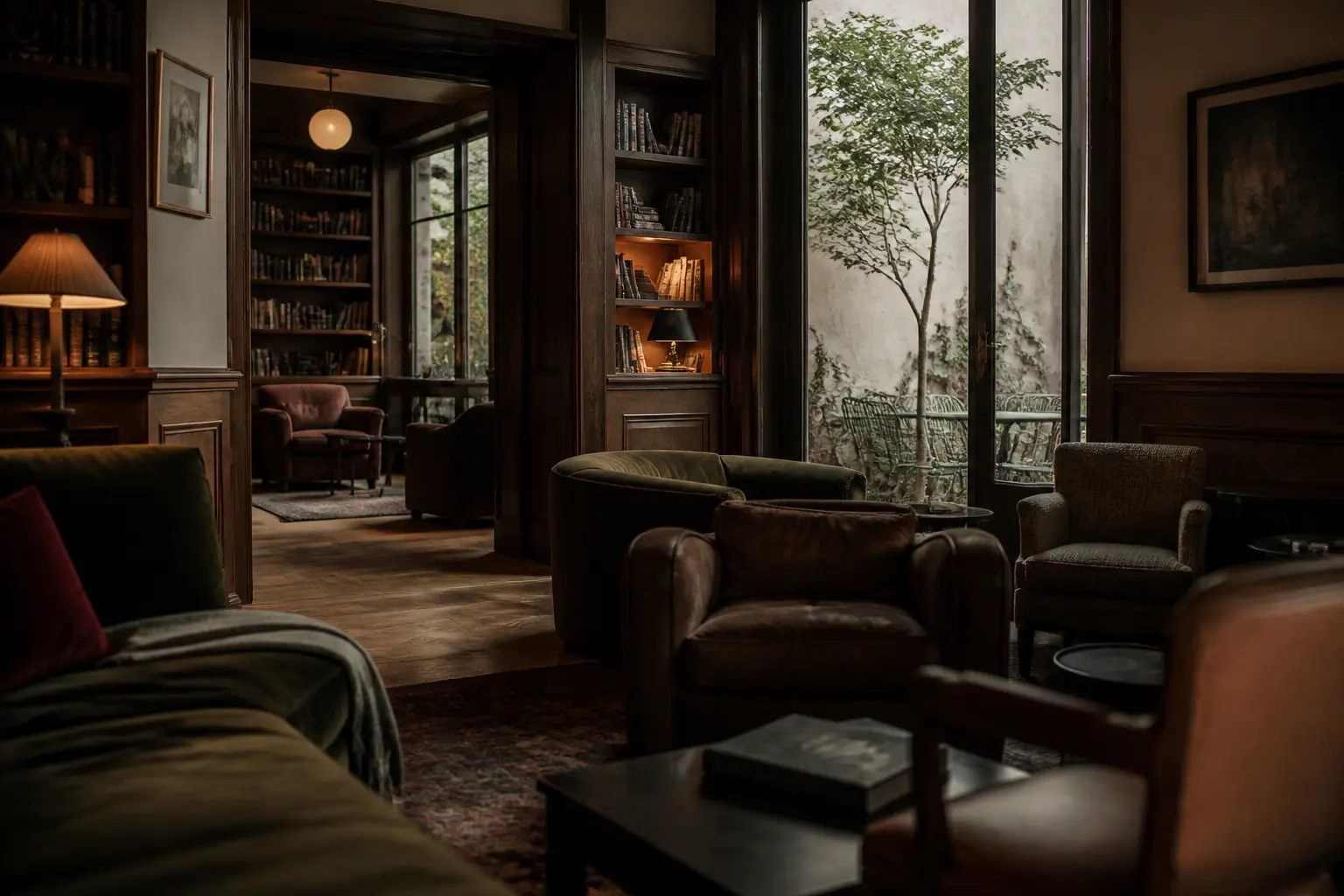
Clubs + boutique stays

A more intimate sense of belonging and recognition.

05Building an Experience

From welcome to return.

We begin with the guest experience, the property and the moments that matter. Fragrance comes later.

01

Understand

Listen to the ambition, experience the property and define what each moment needs to do.

02

Create

Turn that intention into sensory direction, then select, adapt or develop against it.

03

Bring it to life

Consider zones, airflow, occupancy and movement. Deploy, observe and refine.

06Scent Library

A scent is never
just a note.

Explore fragrance through materials, memories and the atmosphere you want to create – not a catalogue of products.